Welcome to the Hampshire and Isle of Wight Branch of Butterfly
Conservation
Butterfly Conservation was formed by a small group of dedicated
naturalists in 1968 following the alarming decline of many beautiful
butterflies. Most British butterfly species remain in decline.
We aim to halt and reverse these declines. Our vision is of a
world rich in butterflies for future generations to enjoy.
We are also committed to the conservation of moths, which are
close relatives of butterflies and are in rapid decline.
Butterflies and moths you can see now
As Spring advances into May, the number
of butterflies and moths on the wing continues to grow
rapidly. There have been over 45 butterfly species and
over 1200 moth species recorded in May in Hampshire and
the Isle of Wight. Listed below are selections of those
that can be seen this month. Most of the moths will
only be seen when attracted to light
Common Blue
Speckled Wood
Pearl-bordered Fritillary Orange-tip
Dingy Skipper
Green-veined White
Small Heath
Small White
Small Blue
Duke of Burgundy
Grizzled Skipper
Glanville Fritillary
Holly Blue
Green Hairstreak
Brown Argus
Large White
Adonis Blue
Small Copper
Small Pearl-bordered Fritillary Small Tortoiseshell
Wall
Painted Lady
Marsh Fritillary
Large Skipper
Purple Hairstreak
Shuttle-shaped Dart
Treble Lines
Heart and Dart
Hebrew Character
Light Brown Apple Moth Brimstone Moth
Flame Shoulder
Common Quaker
Vine's Rustic
Pale Tussock
White Ermine
Muslin Moth
Green Carpet
Brown Silver-line
Setaceous Hebrew Character
Orange Footman
Brindled Pug
Common Pug
Speckled Yellow
Cinnabar
Nut-tree Tussock
Bright-line Brown-eye
Pale Mottled Willow
Poplar Hawk-moth
Common Marbled Carpet
Butterflies are beautiful and intrinsically valuable.
Together with moths, their sensitivity to environmental change
makes them valuable indicators of the health of the
countryside. We are dedicated to the conservation of:
Butterflies
Moths
Reserves
There are 46 species of butterfly occurring in Hampshire and the
Isle of Wight. Of these 35 can be seen on our reserves. More about our butterflies...
Around 1950 species of moth have been recorded in Hampshire and the Isle
of Wight. Over 600 of these on our reserves. More about our moths...
Butterfly Conservation has over 25 reserves across the UK,
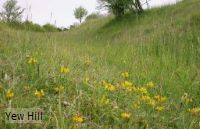
including 3 in Hampshire, Yew Hill. Magdalen Hill Down and
Bentley Station Meadow. More about our reserves...

Hummingbird Hawkmoth and Painted Lady online survey with
BBC Radio 4
Butterfly
Conservation has developed an exciting online survey of these
two migrant species in association with Radio 4’s major series
World on the Move and as part of the Garden Moths Count
initiative. The survey will run throughout 2008 on the Butterfly
Conservation website. Anyone who sees a Hummingbird Hawkmoth or
Painted Lady butterfly can use the simple but amazing
interactive mapping on the website to zoom in on satellite
images (down to the scale of your own garden) and log their
sightings.
This
will enable us to track the arrival in the UK of these wonderful
creatures on their journey from North Africa and southern
Europe, and then to map their spread here during the summer. We
are also keen to hear observations of interesting behaviour
(such as courtship, mating, egg laying, plants used for
nectaring, reverse migration in the autumn or hibernation) which
can be recorded in a comments box in the online recording
system. What we do know about the migration of these spectacular
insects comes from observations over the centuries from amateur
recorders, but there is still much to learn and we hope that you
will help in 2008. Sightings can be entered
here...
Upcoming Events
Save
Our Butterflies Week takes place during the week of 19th to 27th
July 2008 and is an opportunity for Butterfly Conservation
members and the general public to take part in a national
recording scheme which year on year helps us to build a picture
of any changes in butterfly populations over time. Why not take
part and help make a difference You can take part by conducting
a simple butterfly and day-flying moth count. All you have to do
is pick a sunny mid-afternoon during Save Our Butterflies Week
and make a count of the maximum numbers of each species of
butterfly that are present on a Buddleia bush over a period of
about 30 minutes.
More to follow
National Moth Night (NMN) is Britain’s celebration of moths and
moth recording. It was launched in 1999 and has taken place
annually since then, the date varying each year in order to
focus recording effort on different parts of the season. On the
designated date, participants throughout the British Isles are
encouraged to record the moths in their chosen location and the
results are pooled into Britain’s largest survey of what species
are flying around the country.
Garden Moths Count is an exciting nationwide survey,
in which everyone can take part, to discover which
amazing moths live in our gardens. The 2008 Garden Moths
Count will run from 21 June to 6 July.